
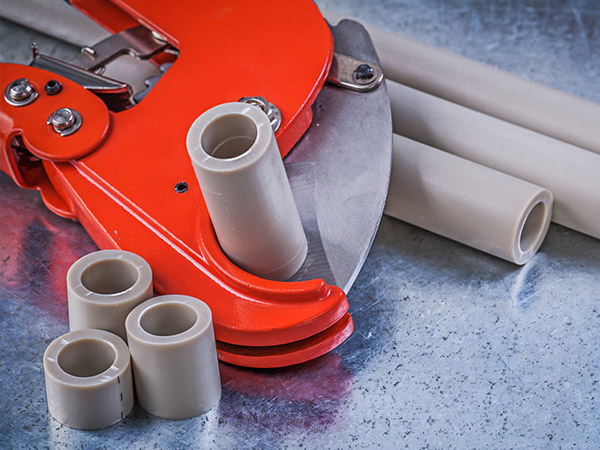
HDPE is a good pipeline. It should not only have good economy, but also have a series of advantages such as stable and reliable interface, material impact resistance, crack resistance, aging resistance and corrosion resistance. The specifications of the more common HDPE pipes are 20, 25, 32, 40, 50, 63, 75, 90, 110, 125, 140, 160, 180, 200, 225, 250, 315, 355, 400, 450, 500, 630, etc., these all refer to the outer diameter size in millimeters.
What are the advantages of HDPE pipes
1. Stable connection: The HDPE pipe system is connected by electric heating, and the strength of the joint is higher than that of the pipe body.
2. Excellent low-temperature impact resistance: The low-temperature embrittlement temperature of HDPE pipe is very low, and it can be used safely within the temperature range of 0 to minus 60 degrees. During construction in winter, the pipe will not break, and the material has good impact resistance.
3. Good resistance to stress cracking: This pipe has low notch sensitivity, high shear strength, good scratch resistance, and good resistance to environmental stress cracking.
4. Good chemical corrosion resistance: HDPE pipes can withstand the corrosion of various chemical media, and the chemical substances in the soil will not degrade the pipes. Because HDPE pipe is an electrical insulator, it will not rot, rust or galvanically corrode, nor will it promote the growth of algae, bacteria or mold.